The Manor in Myerachowshchyna
- The house of the Kosciuszkos… or was it?
- The troubled history: preservation, destruction, restoration.
- The manor today – Kosciuszko’s museum
- References
- Gallery
The house of the Kosciuszkos… or was it?
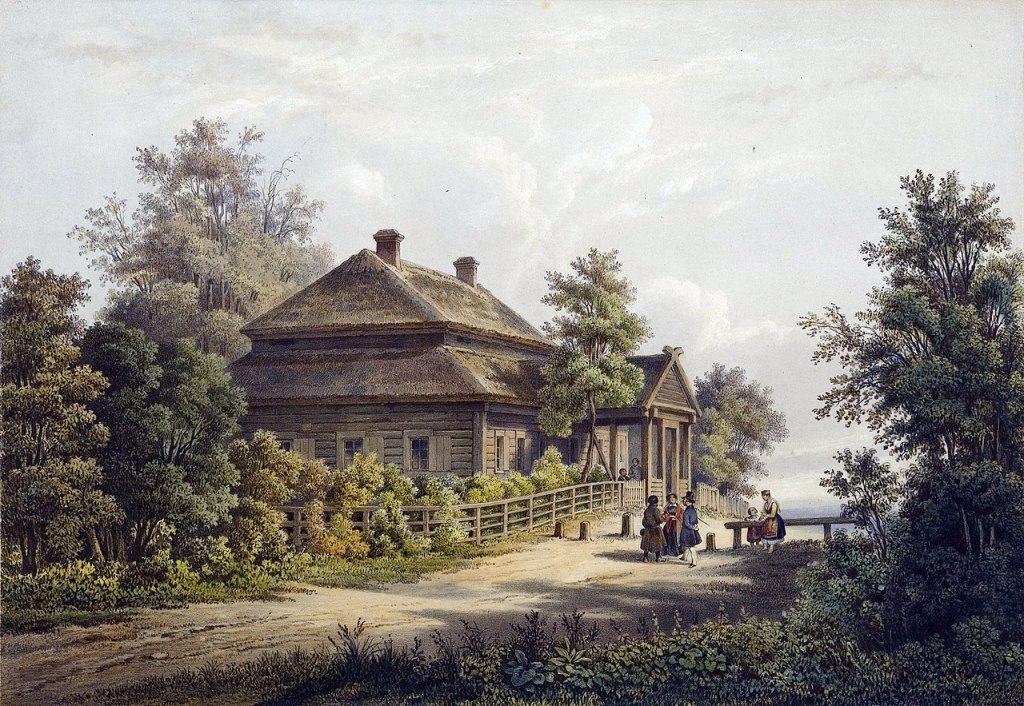
The wooden manor in Myerachowshchyna (Bel. Мерачоўшчына) is famous for being the birthplace of Thaddeus Kosciuszko. Located at the outskirts of the town of Kosava (Кóсава) in the Brest region of Belarus, it was there where little Thaddeus came to the world on February 4th 1746. The wooden manor remained the scenery of his childhood until he reached the age of twelve and left for the boarding school in Liubeshiv (Ukr. Любешів, contemporary Ukraine). However, contrary to a popular belief, Myerachowshchyna was not the ancestral seat of the Kosciuszko family – in fact, it was a property that had belonged to a local branch of the noble Sapieha family, who run into debts shortly after the manor was built in 1720. These debts were bought off by Ludwig Kosciuszko, Thaddeus’ father, from one Antoni Glewski1 about 13 years prior to his son’s birth – and the manor was the pledge he received for that. The Kosciuszkos moved to in Myerachowshchyna around 1733, and the family would remain there either until 1758 (the year of Ludwig’s death) or 1764 (when the Sapiehas bought the manor back). Thereupon, they returned to the true ancestral house of the Kosciuszkos: Sekhnovichi (Сяхновічы), located about 100 km from in Myerachowshchyna, within the same Brest region.
The troubled history: preservation, destruction, restoration.
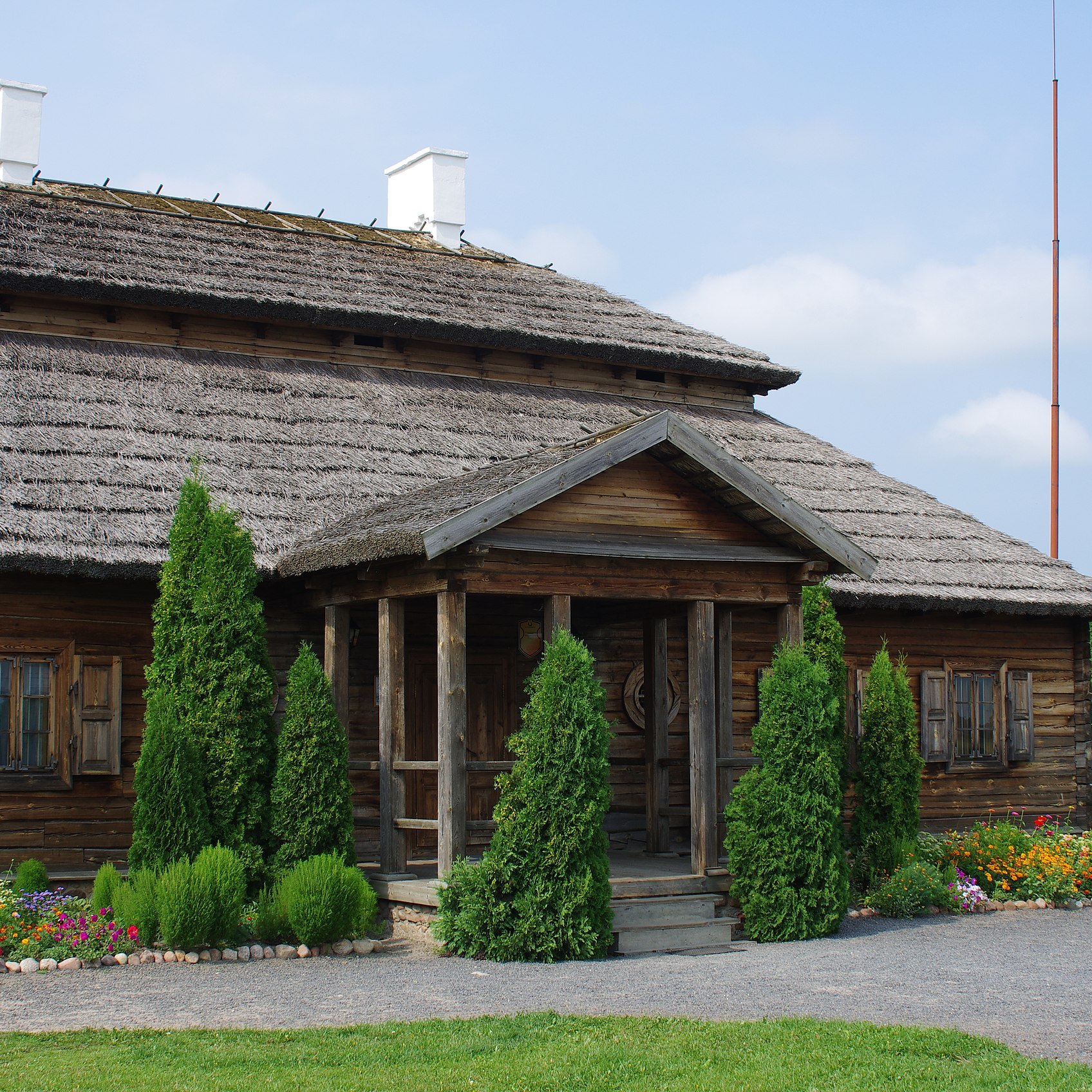
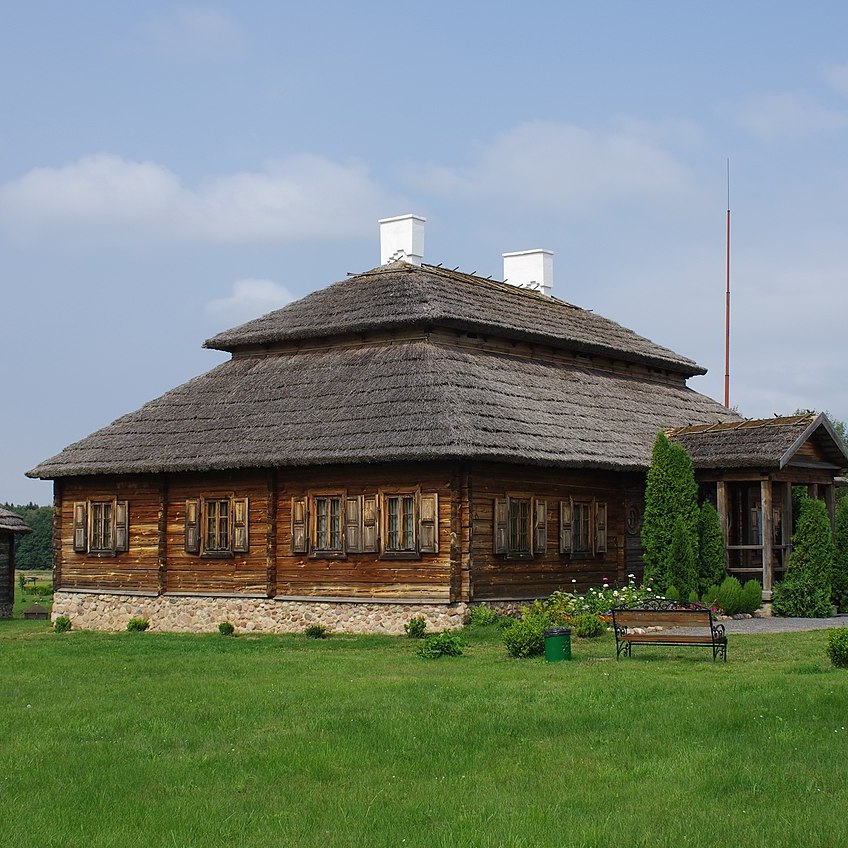
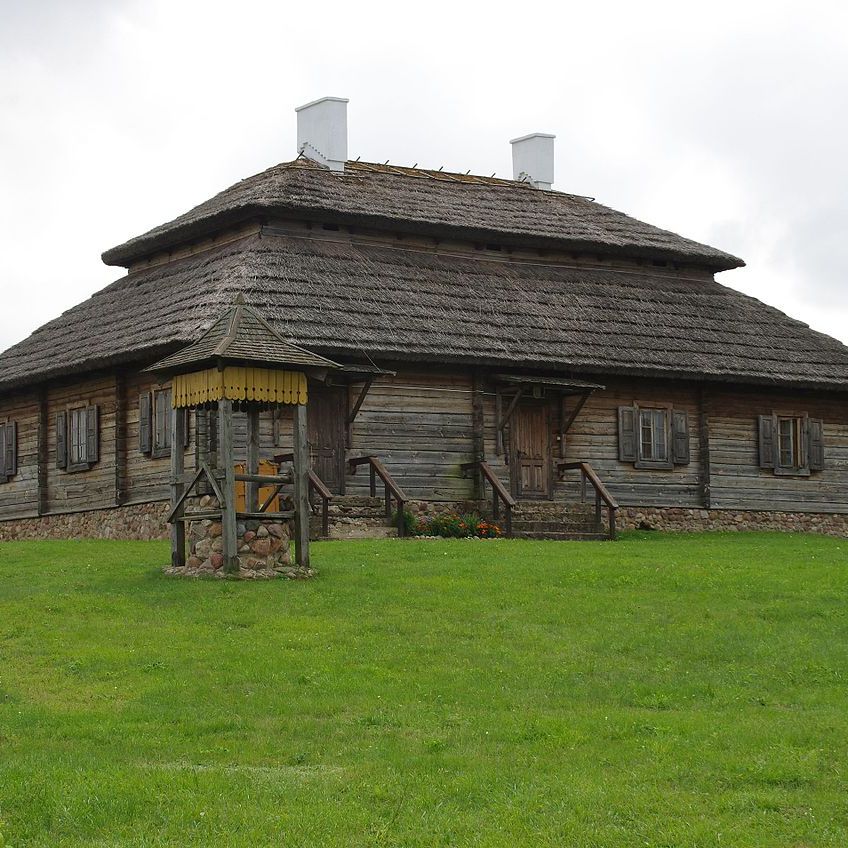
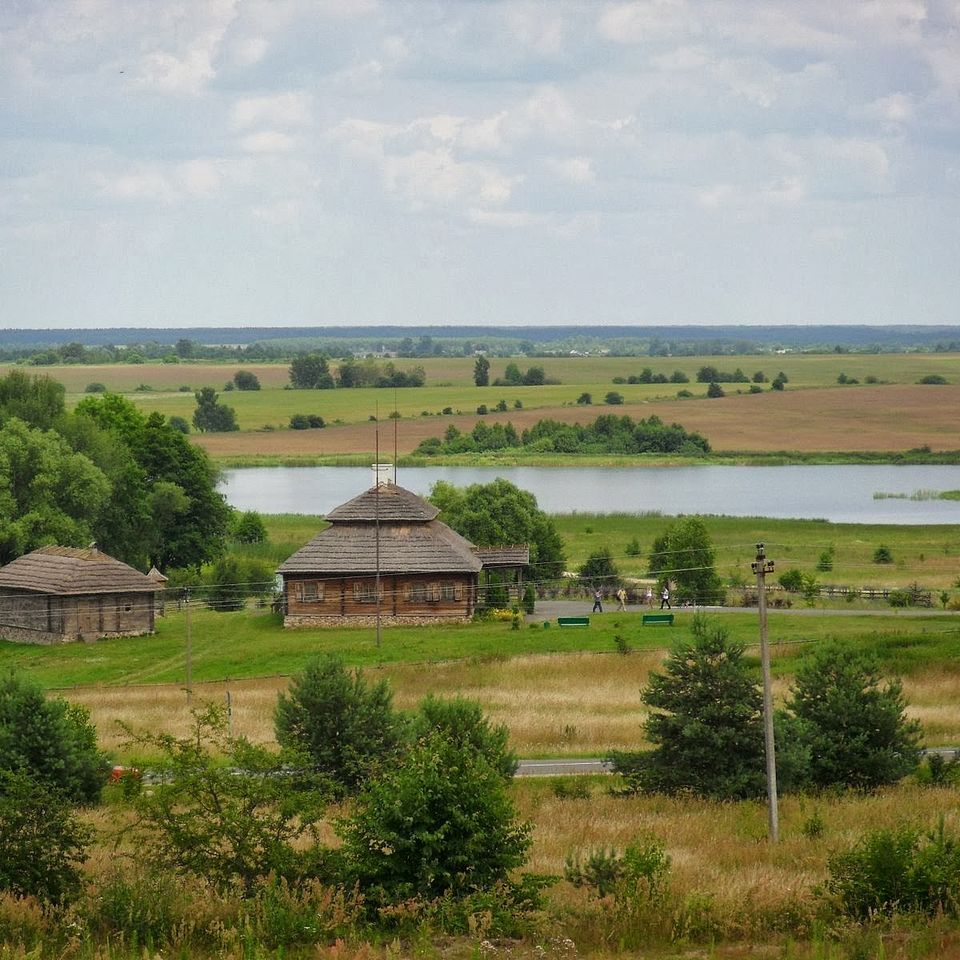
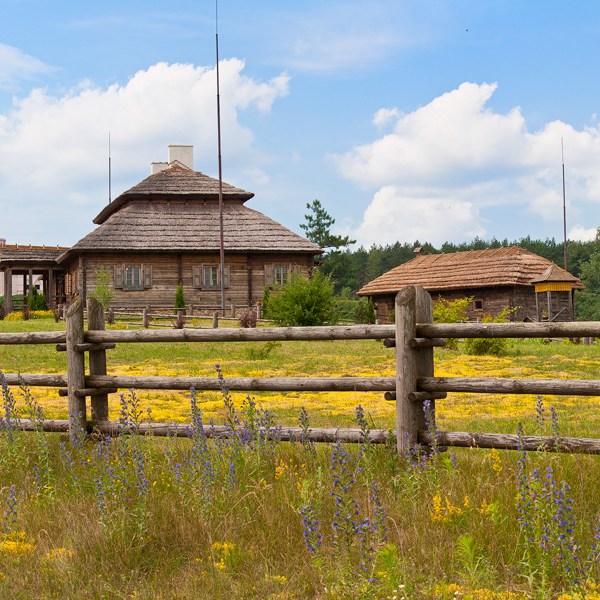
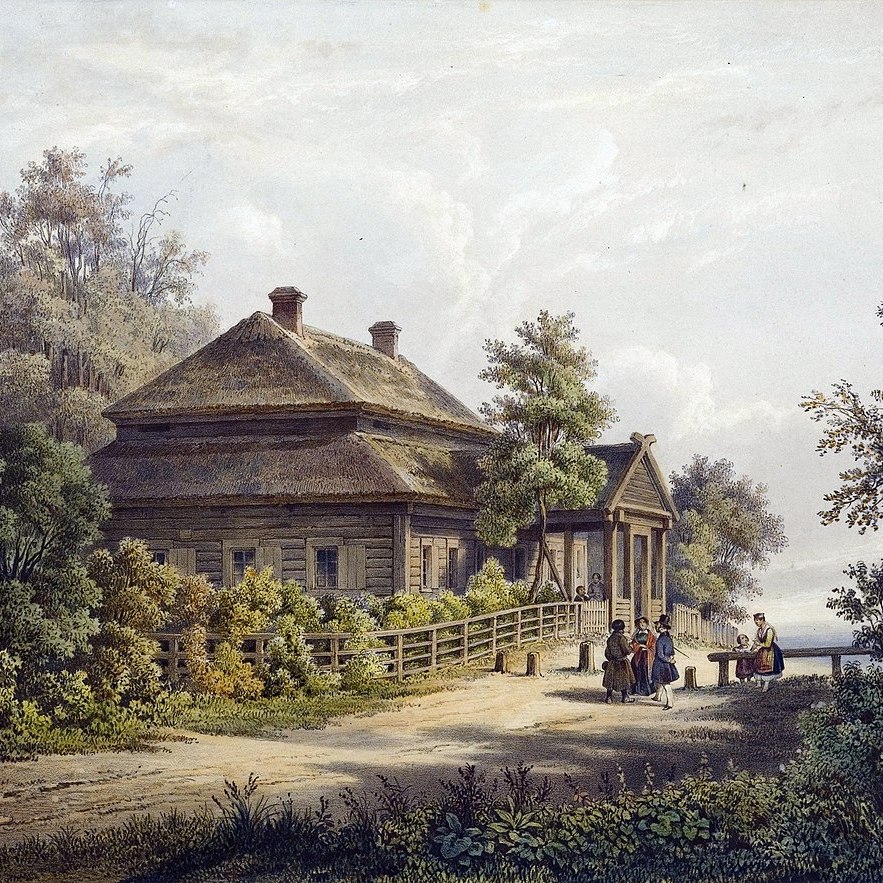
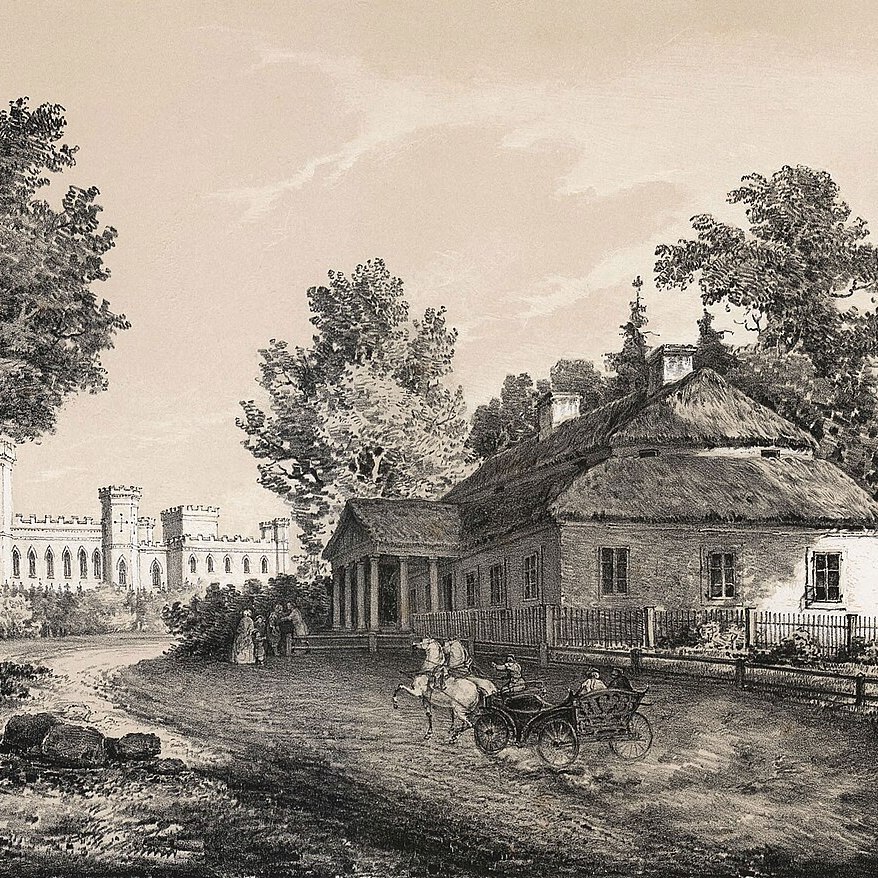
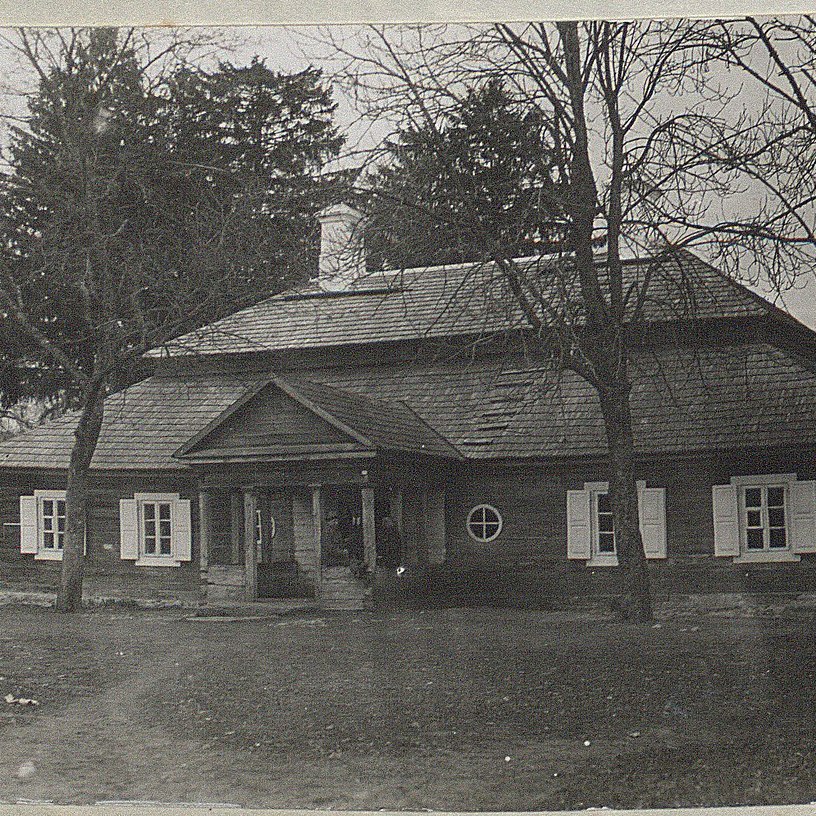
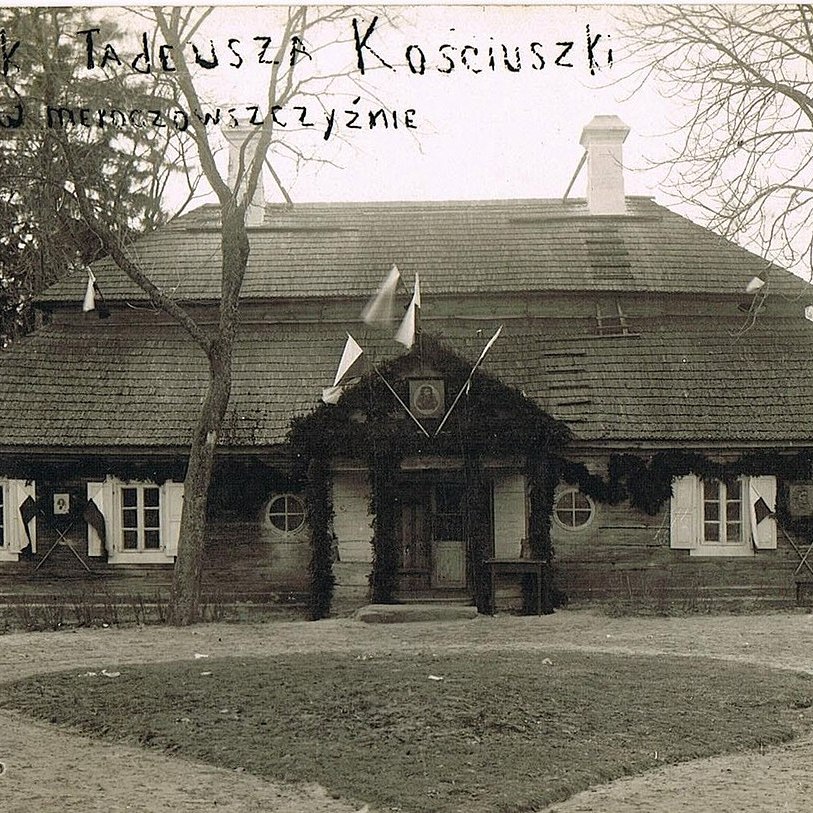
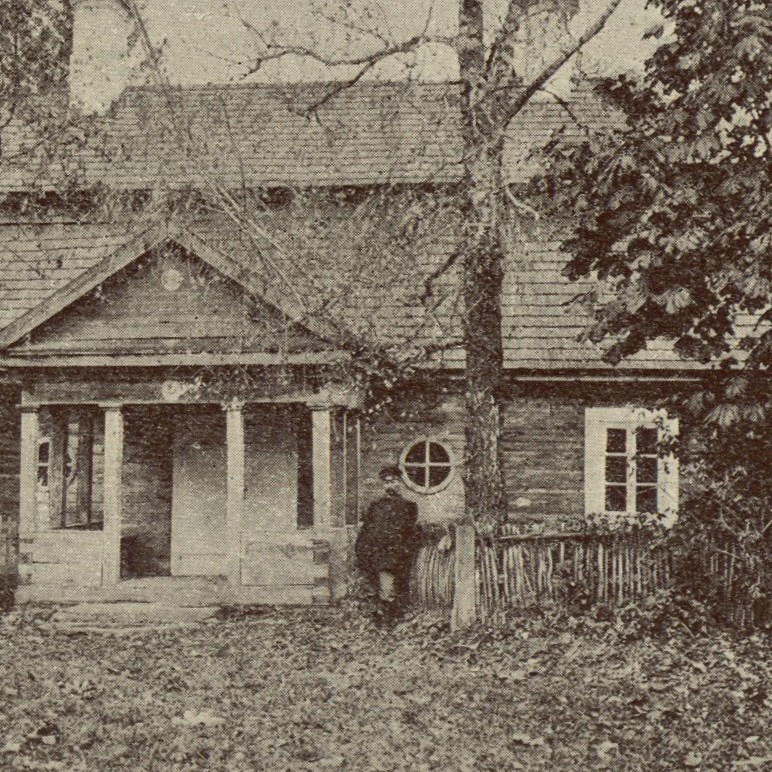
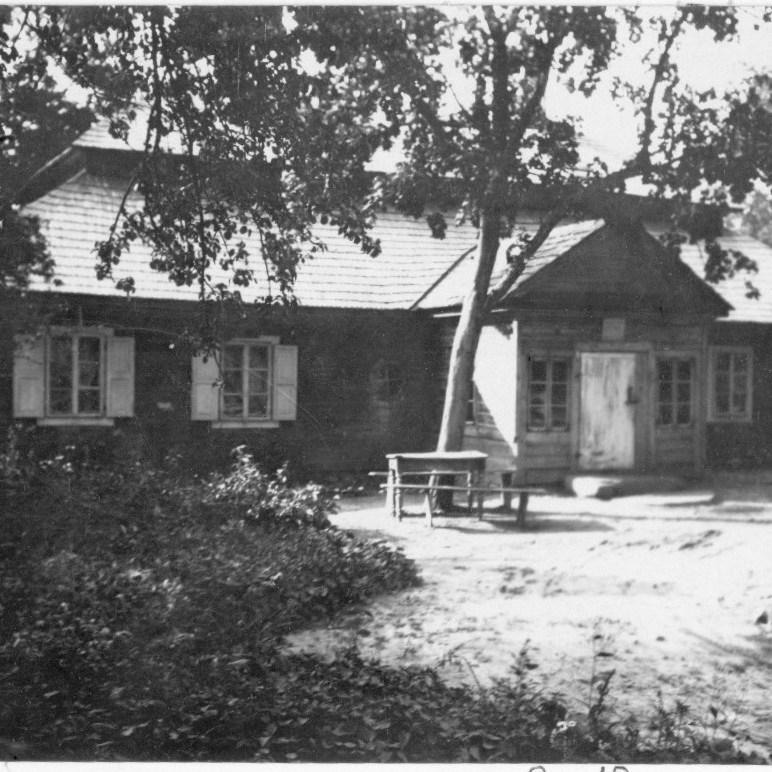
The wooden manor that currently welcomes visitors was reconstructed in 2003-2004. As for the original building, it had survived the 19th century, underwent a renovation in the interwar period, but eventually perished in the flames of World War II, set on fire by Soviet partisans.2 Fortunately, due to its connection to Thaddeus, the manor had been abundantly documented, sketched and later photographed all throughout the 19th and the beginning of the 20th century. This rich iconography allowed for a nearly exact reconstruction of the original look of the manor. What is more, the new building uses the original foundations – the basement is indeed the only piece of the old manor that did not succumb to the fires of WW2 and that dates back to the mid-18th century, when little Thaddeus was around.
The manor today – Kosciuszko’s museum
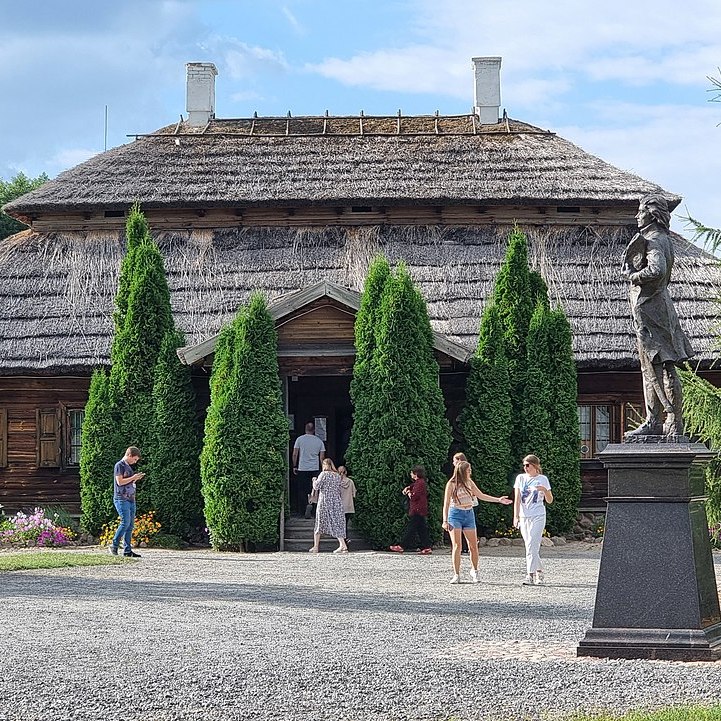
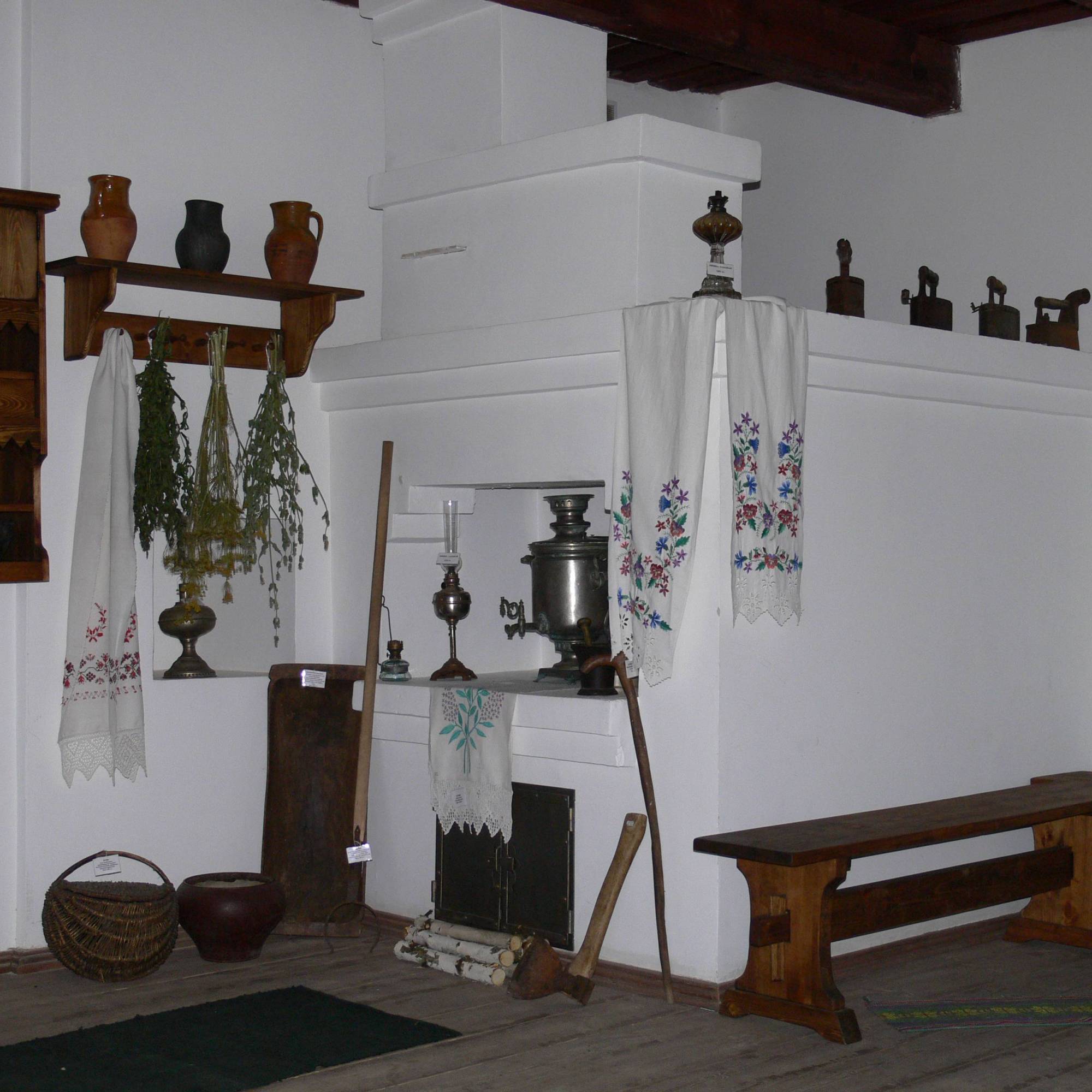
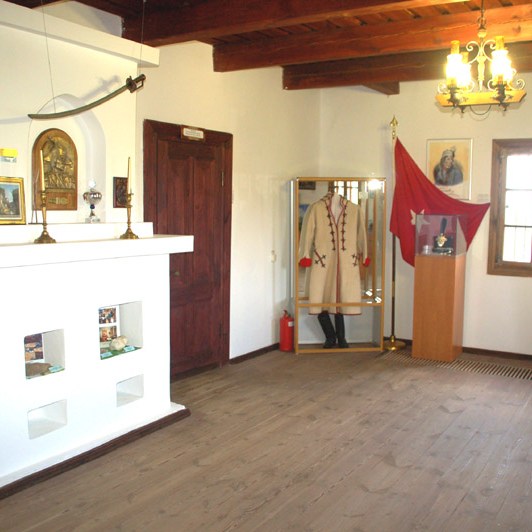
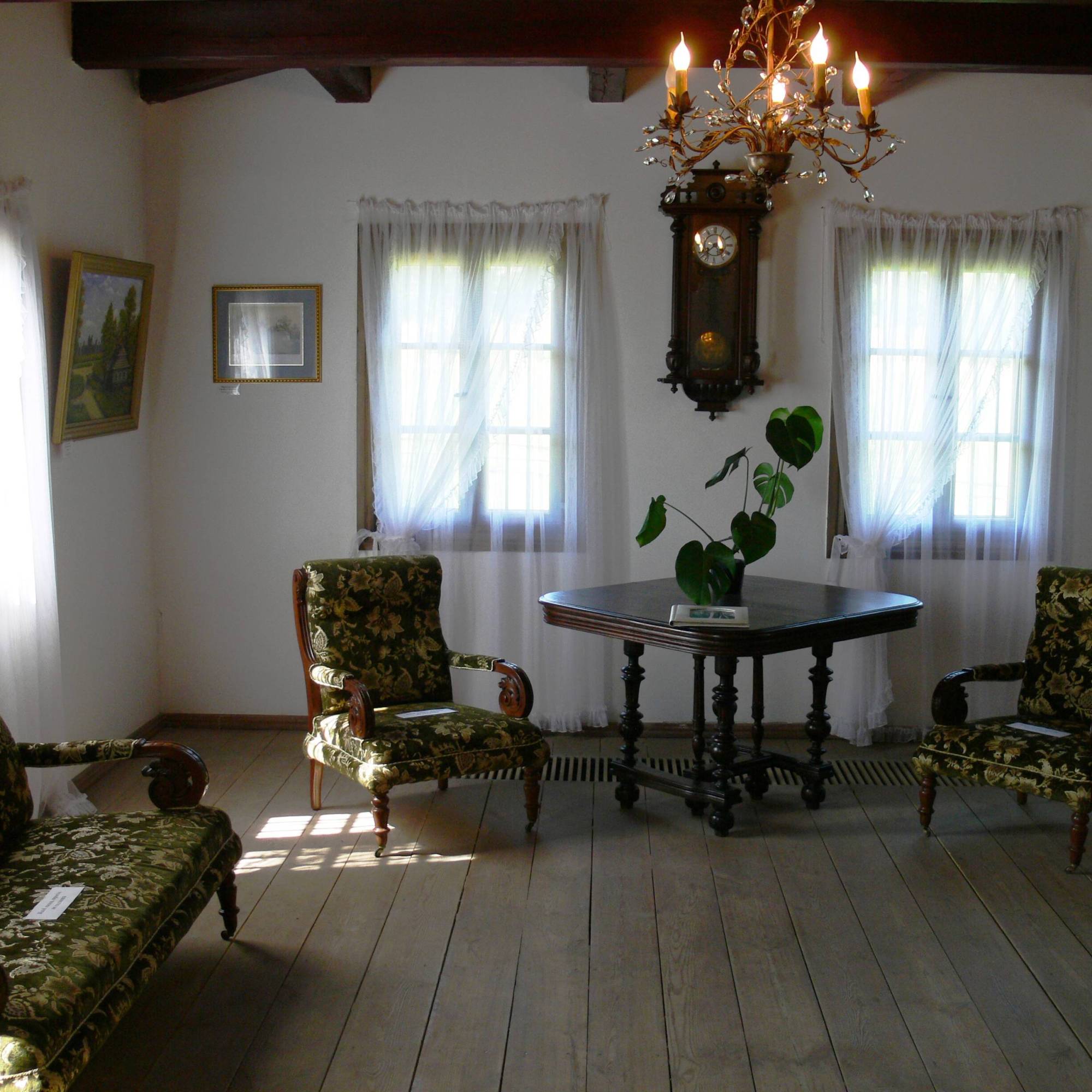
The reconstructed manor and its surroundings belong to a wider historic complex that also encompasses the Palace of the Pusłowski family from 1838 (perhaps better known as the ‚Kosava Castle’). According to the information available on the official website of the complex,3 the wooden house consists of six rooms (equipped with furniture from the 19th and 20th centuries), and the aforementioned original 18th century basement. Five of the six rooms are styled to resemble a historic living space (entrance hall, kitchen, mother’s room, father’s office, living room) and contain portraits of Kosciuszko’s ancestors (his mother, Tekla Ratomska, and his grandparents, Ambroży and Barbara Kosciuszko). The sixth room, on the other hand, houses a small exhibition dedicated to Kosciuszko himself, featuring a collection of copies of emblematic artefacts representing various chapters of his life, e.g. a copy of his characteristic, square-hilted sabre, a peasant garment (sukmana) of the type traditionally associated with him, and a war scythe used by his notorious peasant regimen of Kosynierzy – the Scythemen.
In 2018, the first Belarusian full-body statue of Kosciuszko, authored by Henik Loika, was placed in front of the entrance to the manor. Just next to it, there is also a sizeable boulder with a commemorative plaque, which had beed placed there prior to the reconstruction of the manor.
References
- Tadeusz Korzon, Kościuszko: Biografia z dokumentów wysnuta (Kraków; Warszawa: Gebethner i Wolff, 1906), p. 33. ↩︎
- БЕЛСАТ HISTORY, Як Ленін дапамог Касцюшку? | Як Ленин помог Костюшко?, available at: https://youtu.be/4qyfyJPH42g?si=vq-uOTGHarOaY3WU [Accessed: 10.02.2024]. ↩︎
- State cultural institution „Kossovsky palace and park complex”, “Memorial museum-estate named after Th. Kosciuszko”, Kosava Castle, last updated April 17th 2023, https://zamok-kossovo.by/en/posetitelyam/memorialnyy-muzey-usadba-im-t-kostyushko [Accessed: 08.05.2023]. ↩︎
Gallery
The contemporary manor
The pre-WW2 iconography of the manor
 TADEUSZ KOŚCIUSZKO – nasz współczesny