The Boulder in Myerachowshchyna
A witness to the relentless memory
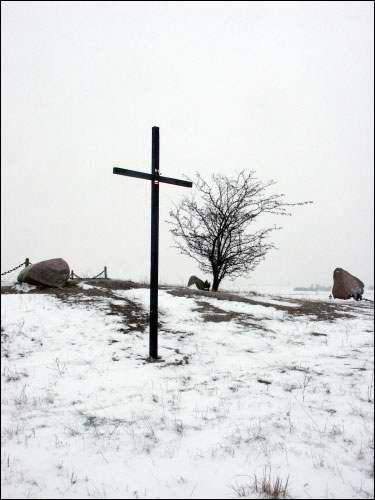
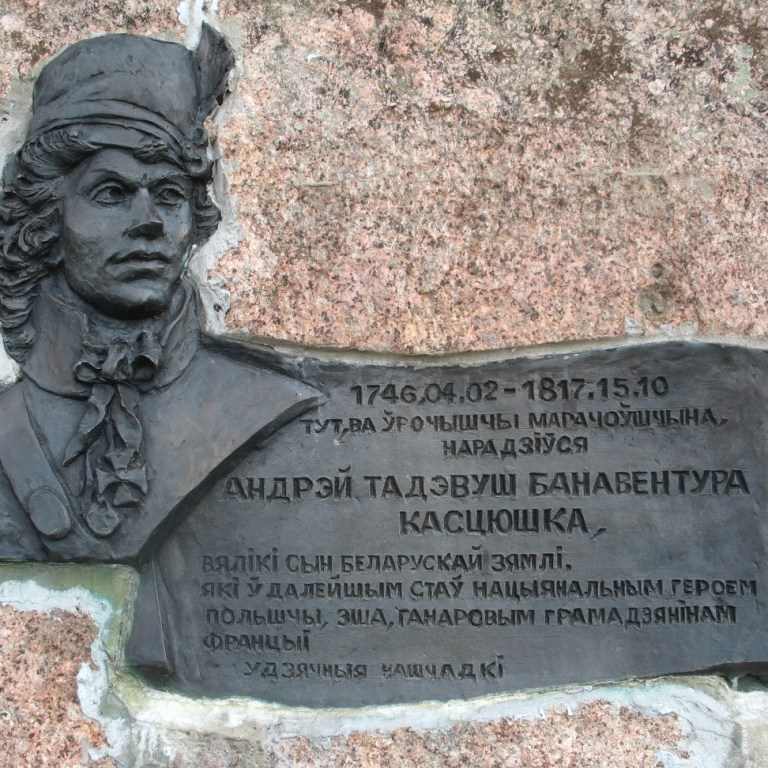
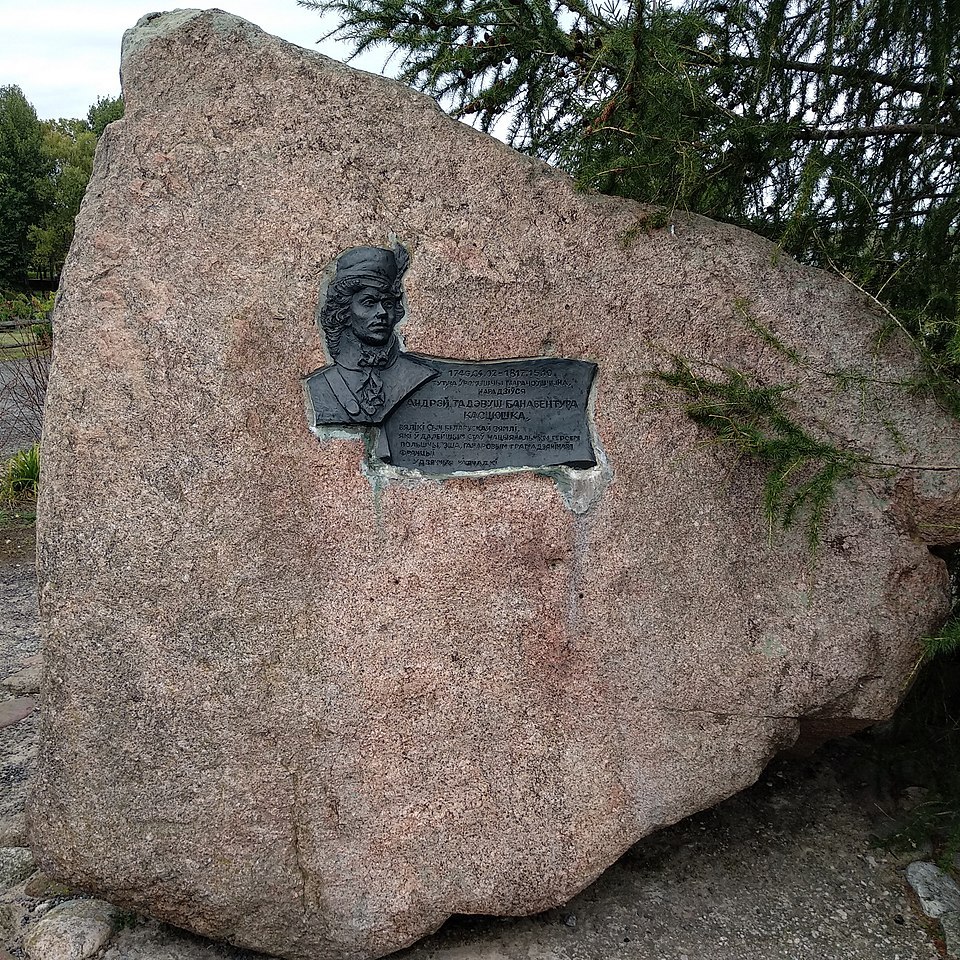
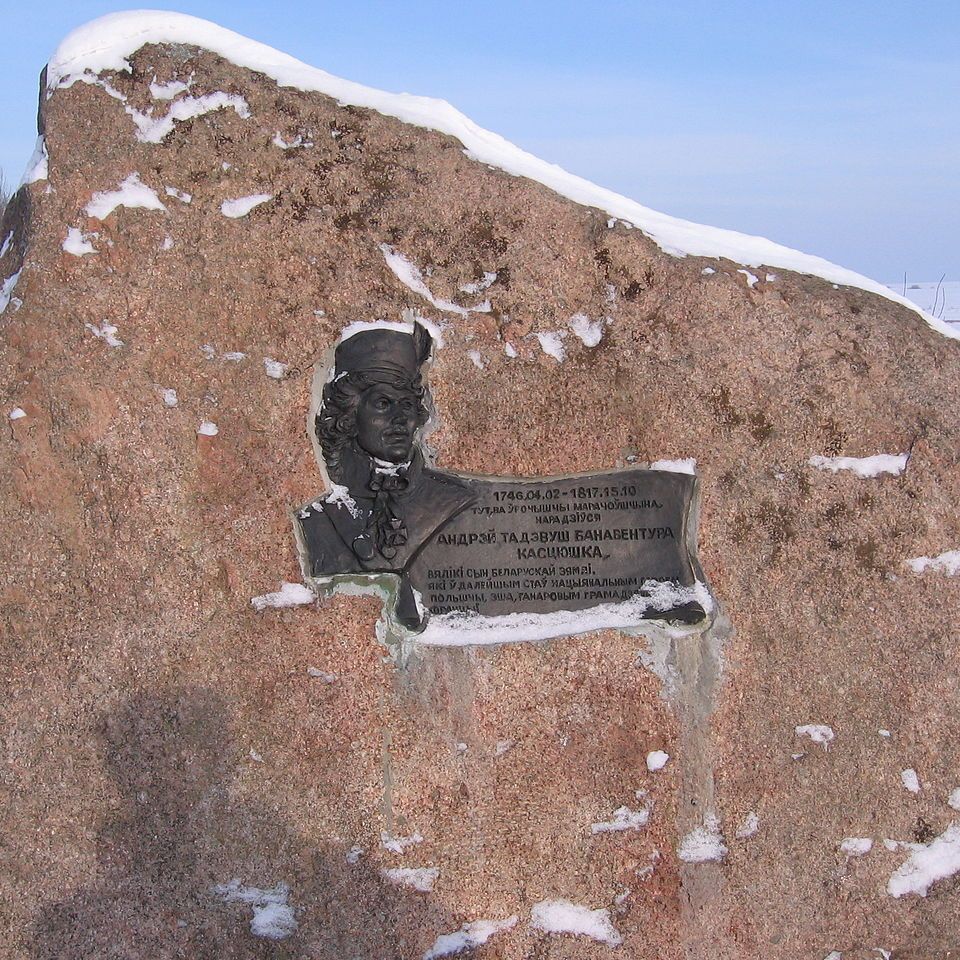
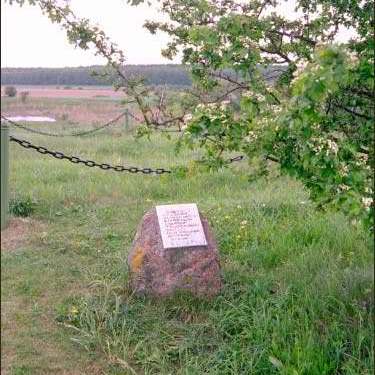
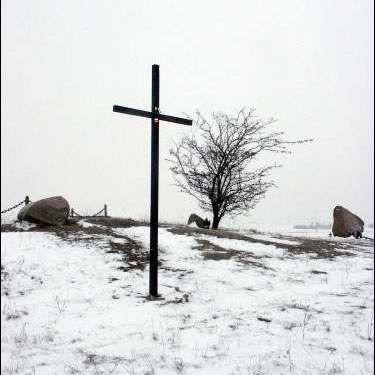
The inclusion of Belarus in the USSR at the end of World War II rendered the attempts to commemorate the leader of the 1794 Uprising in the country of his birth nearly impossible. It was, after all, all but unnatural for the communist regime to cast an unfavourable view at a general who not only fiercely fought against the Russian Empire, but had also been hailed a national hero of the US – the USSR’s sworn enemy. The honours and commemorations befell, instead, to Kościuszko’s own military rival and the pacificator of his Uprising, general Alexander Suvorov, whose museum and statues fill the nearby town of Kobryn (Bel. Ко́брын) to this day.1 As Suvorov’s looming presence grew, wilfully spread and fuelled by the regime, Kościuszko remained poignantly absent from Belarusian public spaces. Yet, though banished by the officials, he wouldn’t be forgotten by the folk. The memory of his deep connection to Belarus, in particular to the region of Brest, clandestinely but surely persisted in people’s homes. Eventually, in 1980, a first commemorative boulder with a plaque appeared on the site of the then destroyed house of his birth in the village of Myerachowshchyna (Bel. Мерачоўшчына), on the outskirts of Kosava (Bel. Косава).2 Year by year, the acts of commemoration grew bolder: in the 90s, a cross was placed on the exact location of the burnt manor, and soon after, in 1996, a new, much larger boulder replaced the old one, complete with a bronze plaque bearing an inscription in Belarusian only, which read:
”
1746.04.02 – 1817.15.10
Here, in the sacred grove of Myerachowshchyna, was born
Andrei Thaddeus Bonaventura Kosciuszko
a great son of the Belarusian soil,
who later became a national hero of Poland, USA,
and an honorary citizen of France.
– grateful descendants.
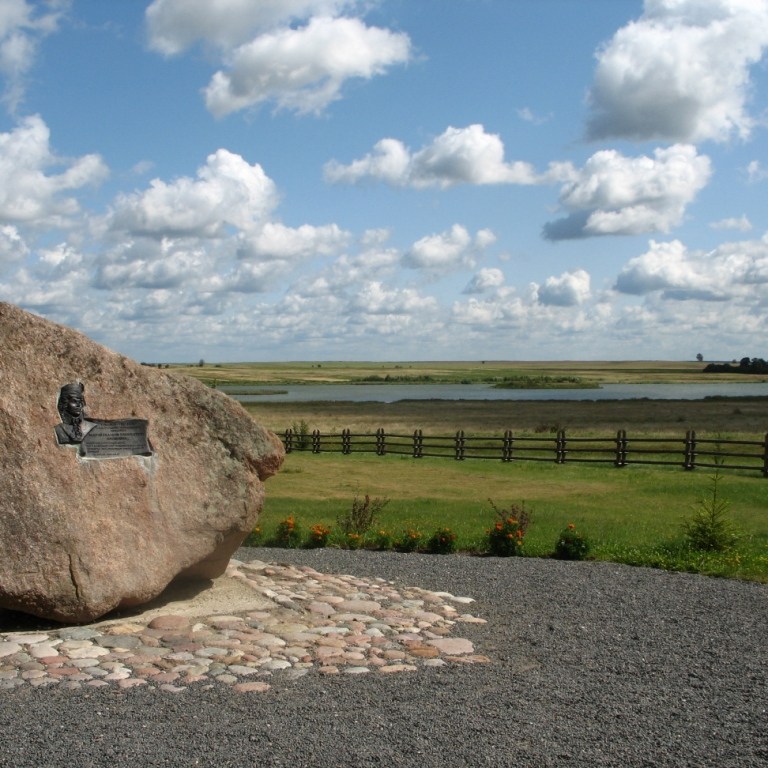
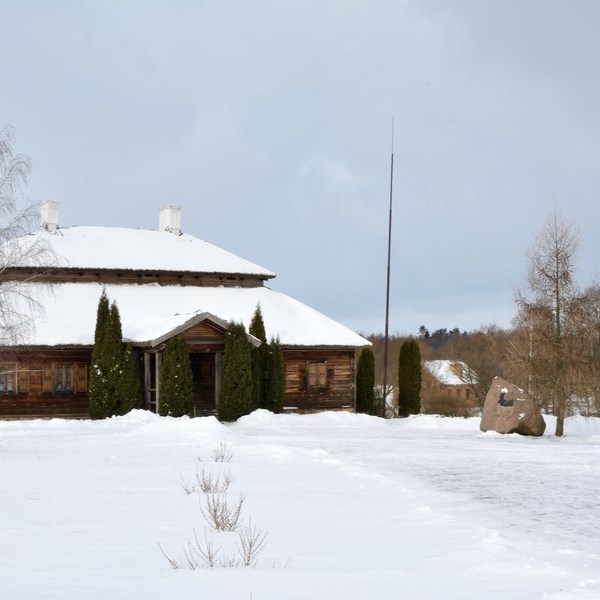
Though nowadays it tends to be outshined by the new, full-body statue of the general erected in 2018, the boulder remains in its original place to this day – a witness to the tumultuous history of Myerachowshchyna and a tangible testimony of preserving national memory even when all the odds are stacked against it.
References
- Военно-исторический музей им. А.В.Суворова, “История Кобринского военно-исторического музея имени А.В.Суворова”, Mузей им. А.В.Суворова, last updated May 11th 2023, https://suvorovmuseum.by/history/82-istoriya-kobrinskogo-voenno-istoricheskogo-muzeya-imeni-avsuvorova.html [Accessed: 15.05.2023]. ↩︎
- БЕЛСАТ HISTORY, “Як Ленін дапамог Касцюшку? | Як Ленин помог Костюшко?”, published November 17th 2020, YouTube video, 19:02, https://youtu.be/4qyfyJPH42g [Accessed: 08.05.2023]. ↩︎
Gallery
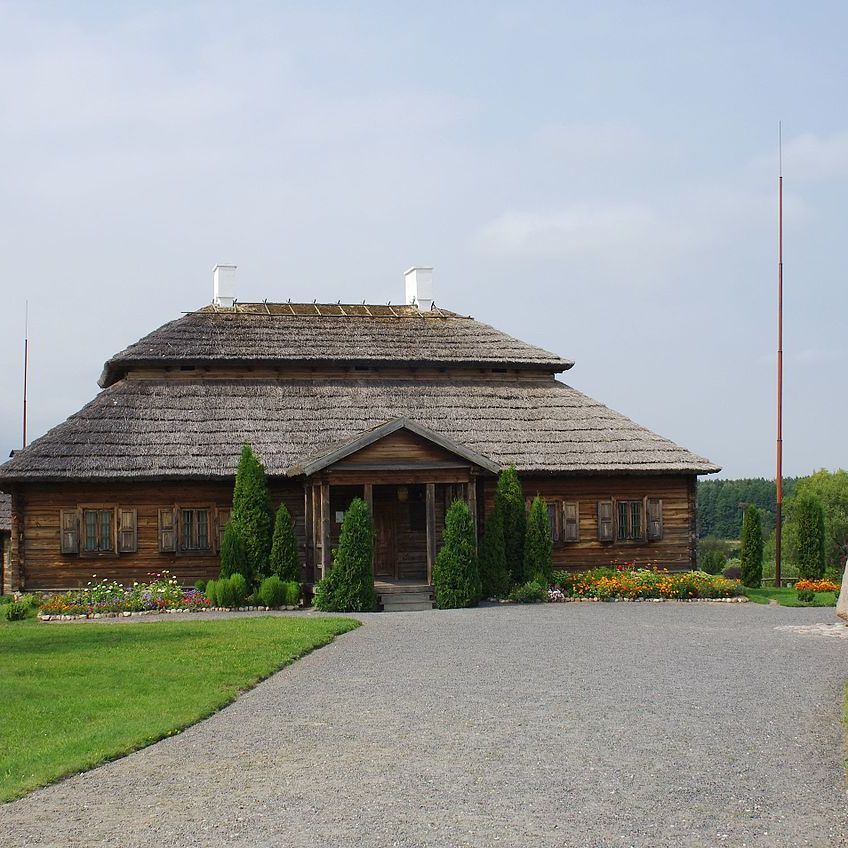
The boulder after the 2004 reconstruction of the manor…
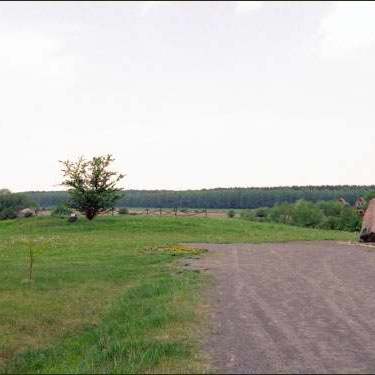
…and before that.
 TADEUSZ KOŚCIUSZKO – nasz współczesny